












Photography & Words by @JoelShoverPhotography
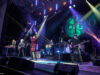
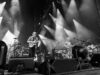
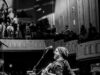
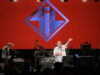
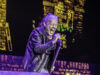
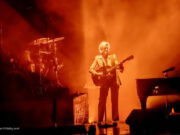
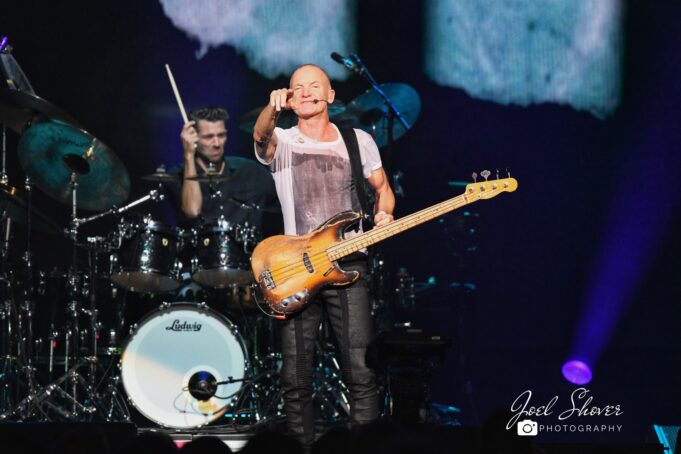
Sting’s 3.0 Tour stop at the world-famous Mohegan Sun Arena on November 18, 2025 didn’t just feel like another date on a routing sheet—it played like a tightly scripted novella about a man hopelessly in love with a woman who already wore someone else’s ring. That’s the emotional neighborhood so many of his love songs live in: it’s rarely simple boy-meets-girl; it’s boy-meets-married-girl, and he pours everything he can’t say straight into melody instead.

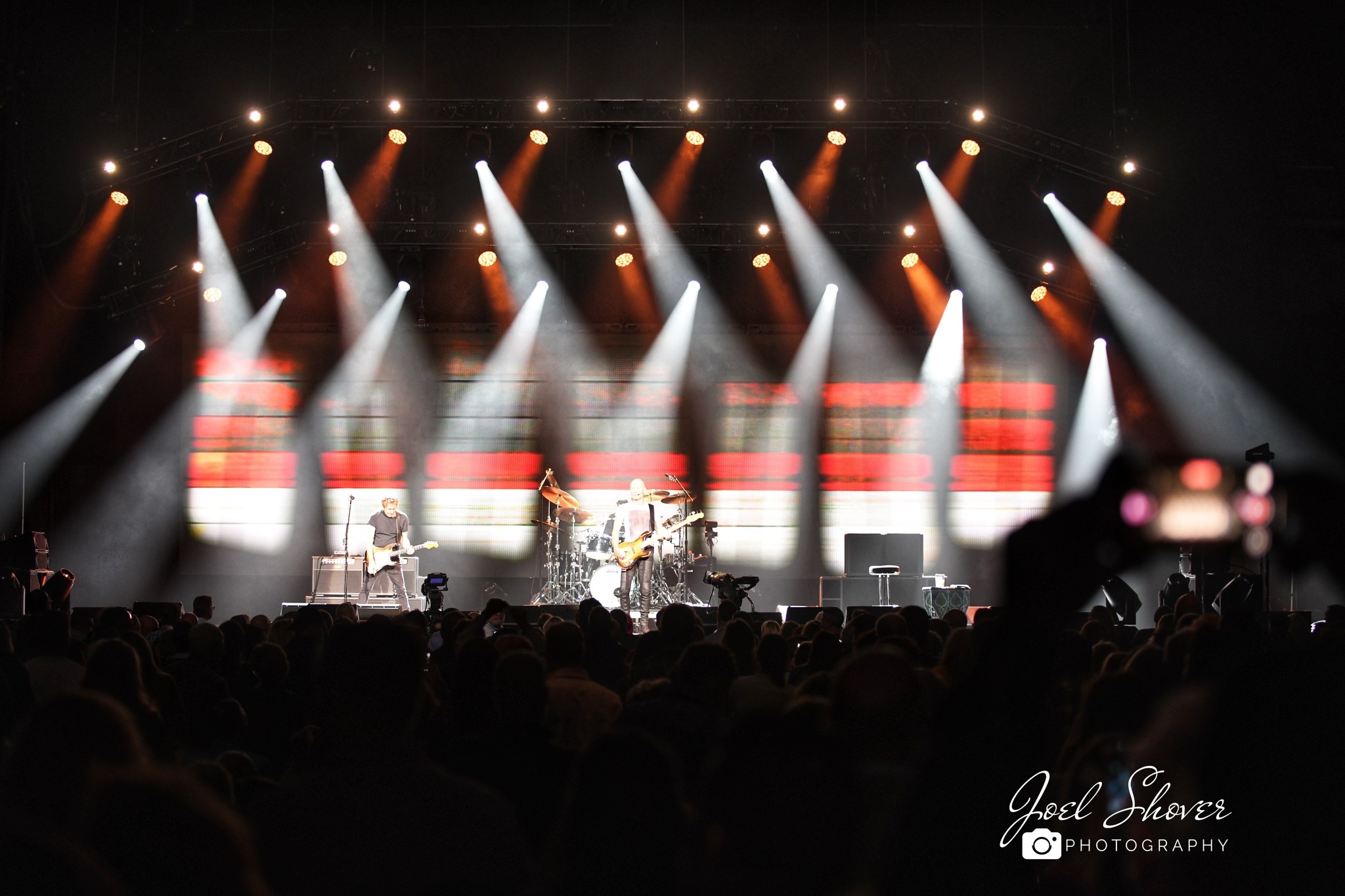
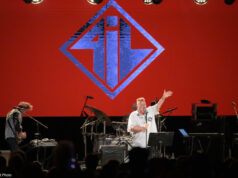
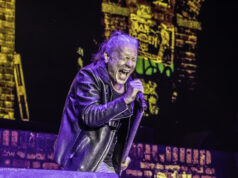
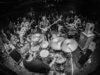
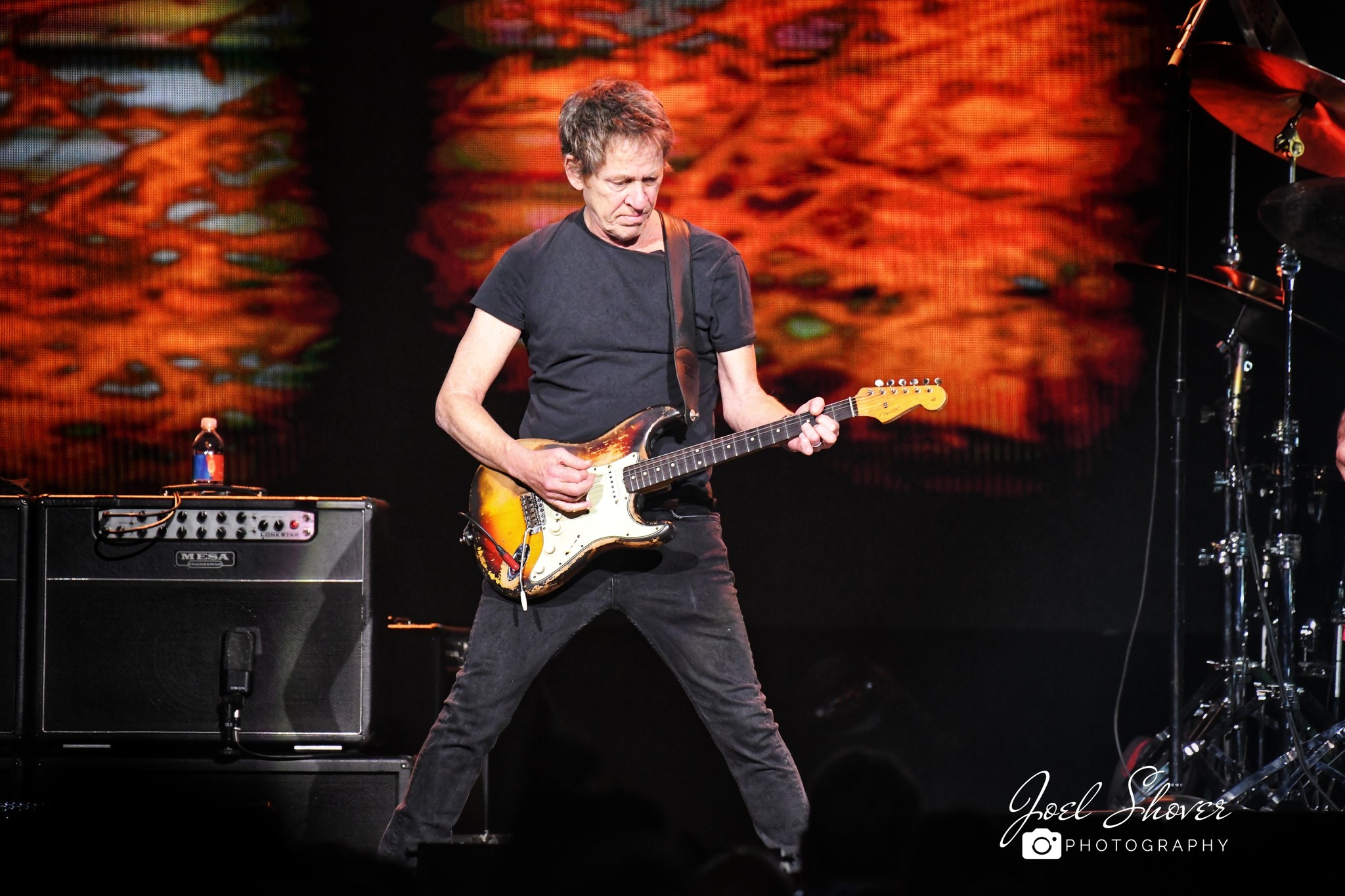
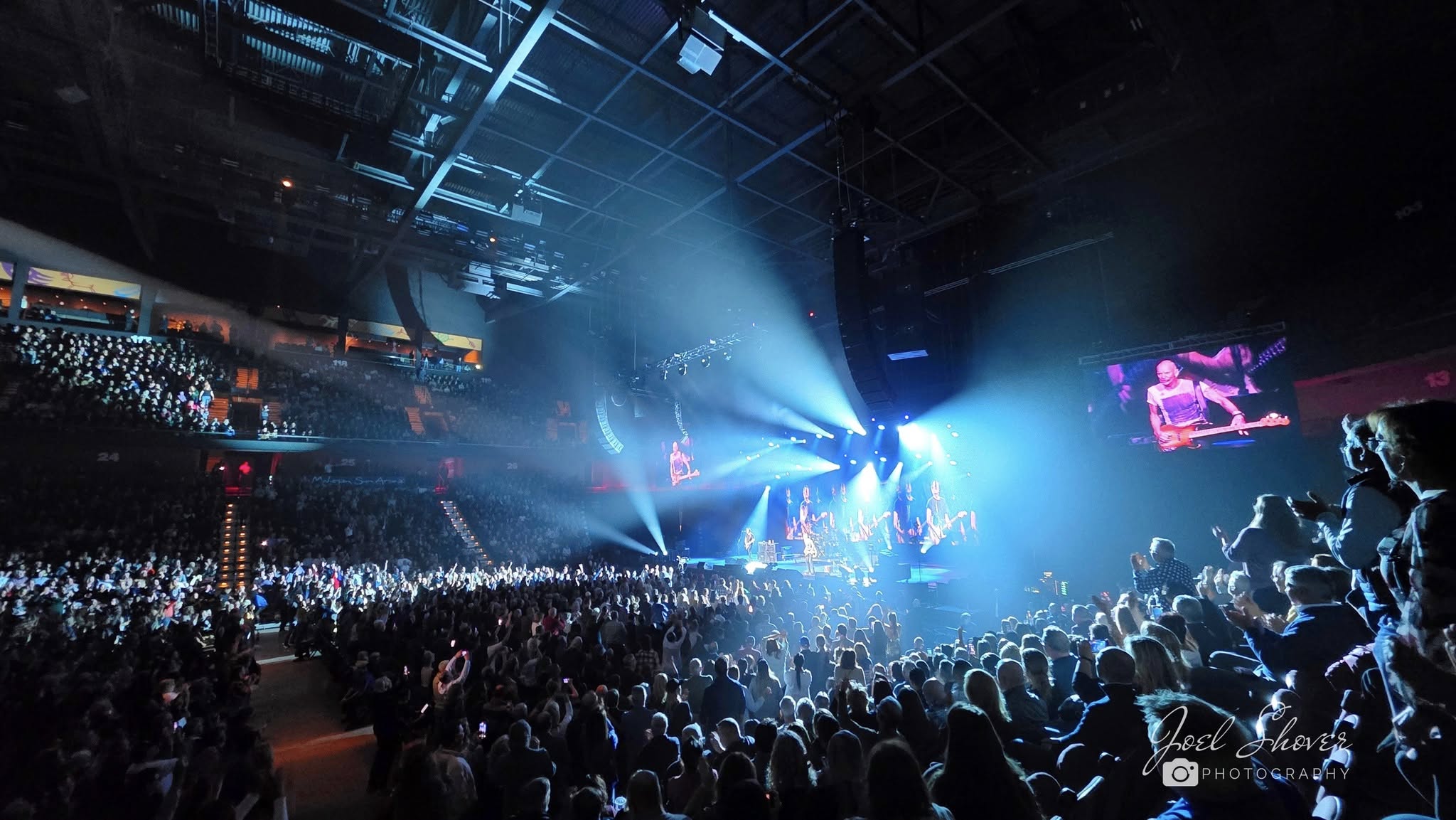
Fans of all ages were locked in—leaning forward, mouthing every word like they were each guarding a secret of their own—as Sting and his power-trio partners Dominic Miller and Chris Maas turned Mohegan’s 10,000-seat casino arena bowl into one big, aching heart.
This Mohegan chapter landed after decades of my own history with Sting onstage. Back in 1993, I saw him open for the Grateful Dead at Sam Boyd Silver Bowl in Las Vegas and again at Giants Stadium in New Jersey—those surreal nights when Sting willingly took the opening slot for an army of Deadheads. Later, I caught him at Great Woods in Mansfield, MA during the Ten Summoner’s Tales era, his band laser-tight under the shed roof. Years down the line, I watched him trade songs and stories with Peter Gabriel on the Rock Paper Scissors tour at Madison Square Garden in New York City.
Most recently, I saw him co-headline Raymond James Stadium in Tampa Bay with Billy Joel—and that one I photographed from about 60 yards away near the soundboard, slipping the camera up for key moments and then down again so I could simply stand there and soak it all in. Each and every one of those performances was a musical masterpiece, proof of Sting’s impeccable musical talents. He bends rock, jazz, reggae, and pop until the spectrum itself feels stretchy, pushing the edges of what a “hit song” can be and expanding your mind with every left-turn chord change and rhythmic curveball. Mohegan Sun didn’t break that streak—it deepened it.
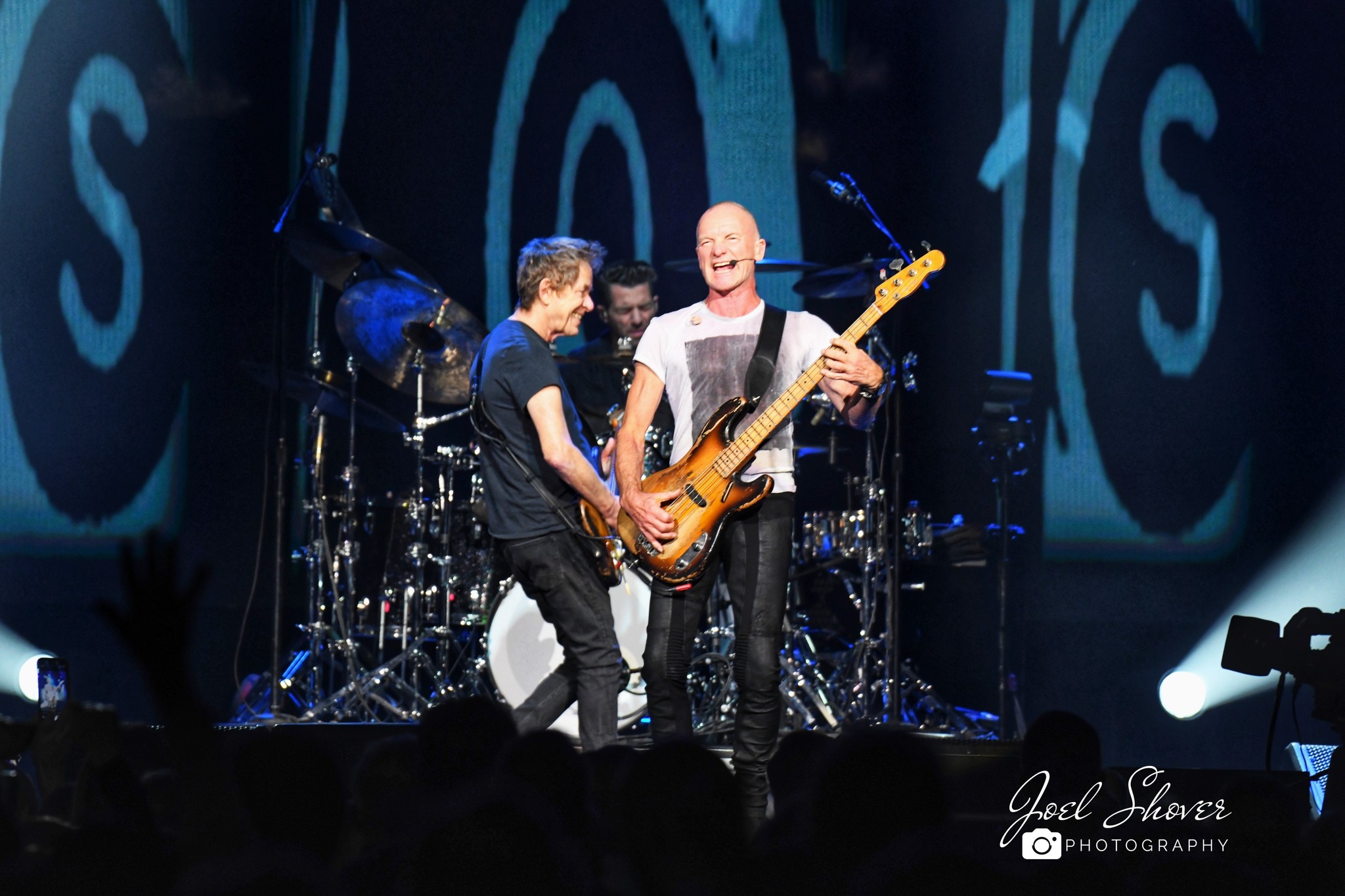
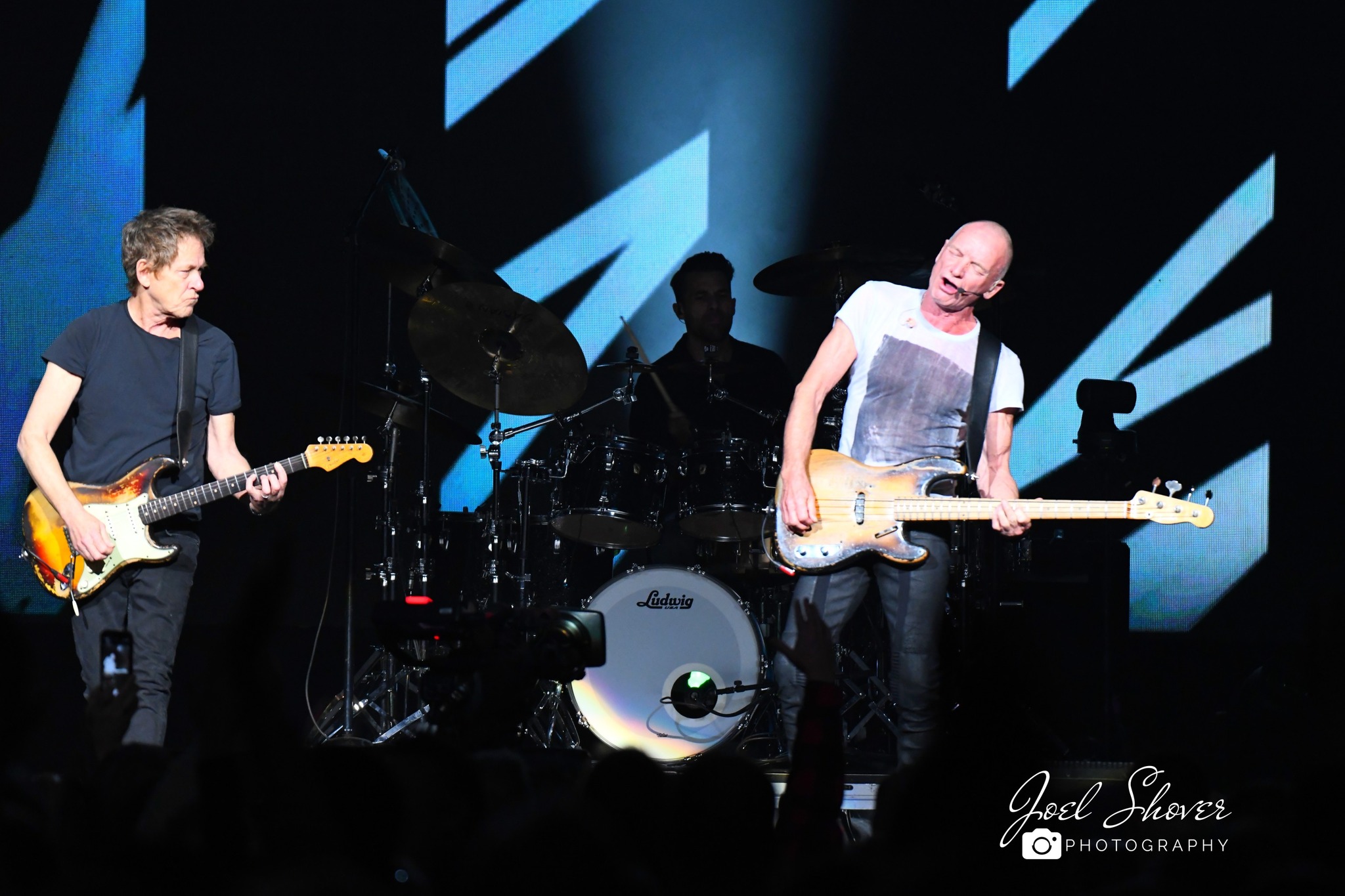
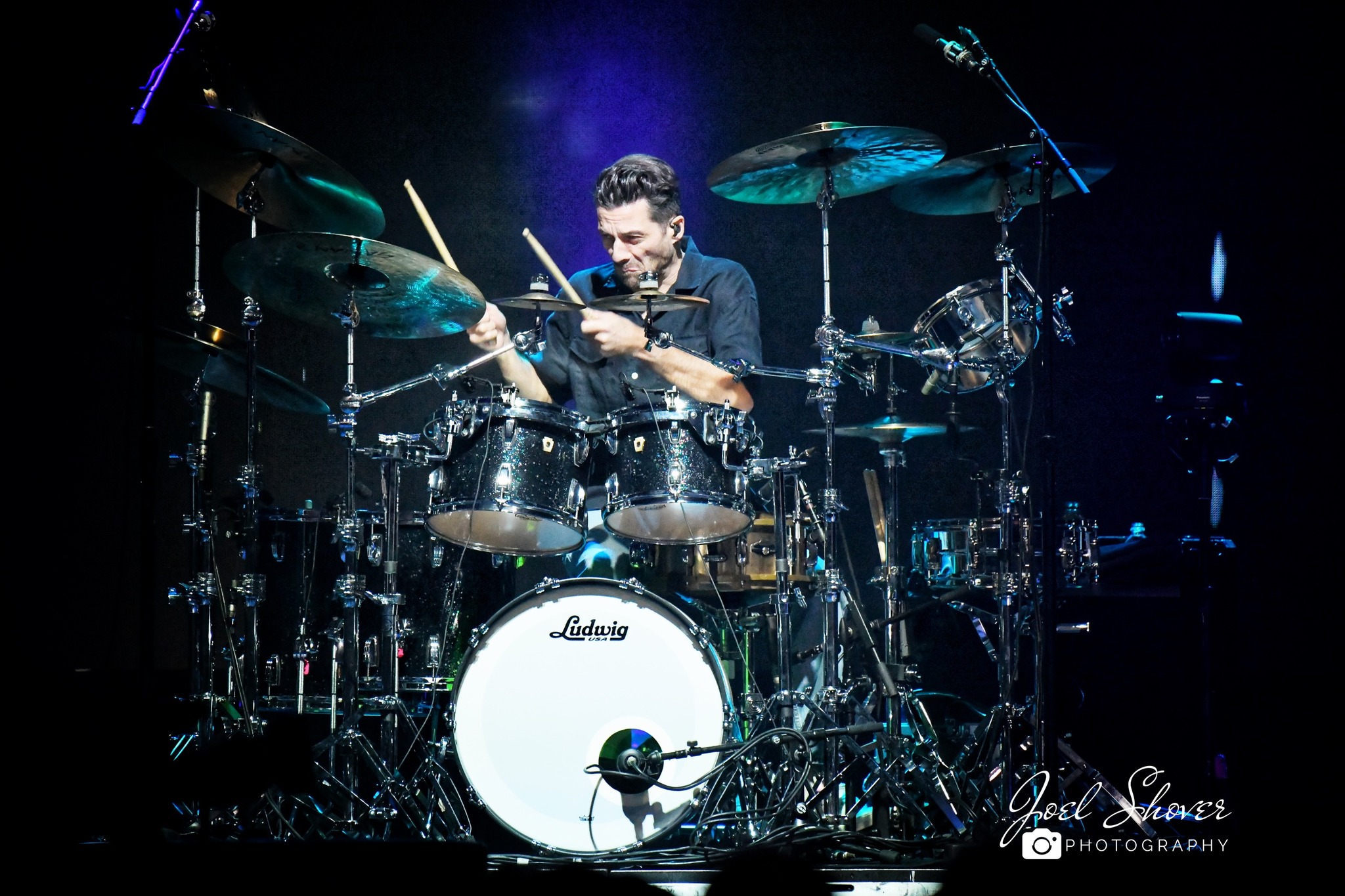
On this night, the Sting 3.0 trio walked onstage and ran through a 21-song set that, taken as a whole, read like one long arc: the inner life of a man obsessed with a woman he could never truly have. He opened with “Message in a Bottle,” the ultimate unsent text. The “castaway” didn’t feel abstract anymore; it felt like a guy tossing love letters into the ocean because he knew he couldn’t hand them to her directly—she’d have to read them over her husband’s shoulder. Every “I’ll send an S.O.S. to the world” line came off like an S.O.S. meant for one person who would never quite receive it.
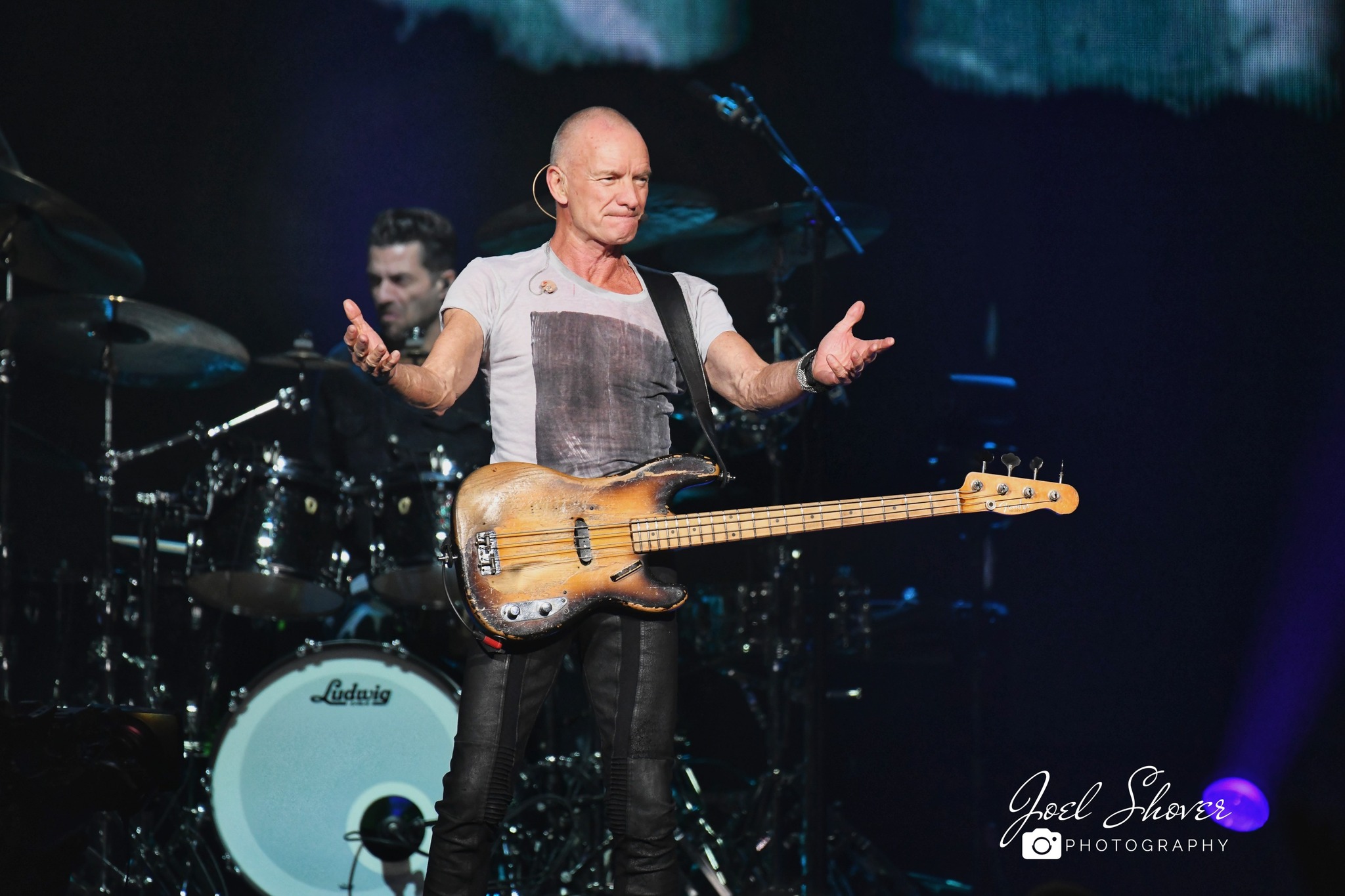
“I Wrote Your Name (Upon My Heart)” then followed, and the subtext suddenly wasn’t very sub. This new 3.0 song played like a thesis statement: he had carved her name where no husband could reach it—on the inside. The trio pushed it with a tight, urgent groove, like a secret he was dying to blurt out but could only sneak into the chords. By the time he slid into “If I Ever Lose My Faith in You,” the theology was clear: in a world where institutions, leaders, and systems had let him down, this off-limits love was the one belief he refused to surrender. Losing faith in her would have been the real end of days.
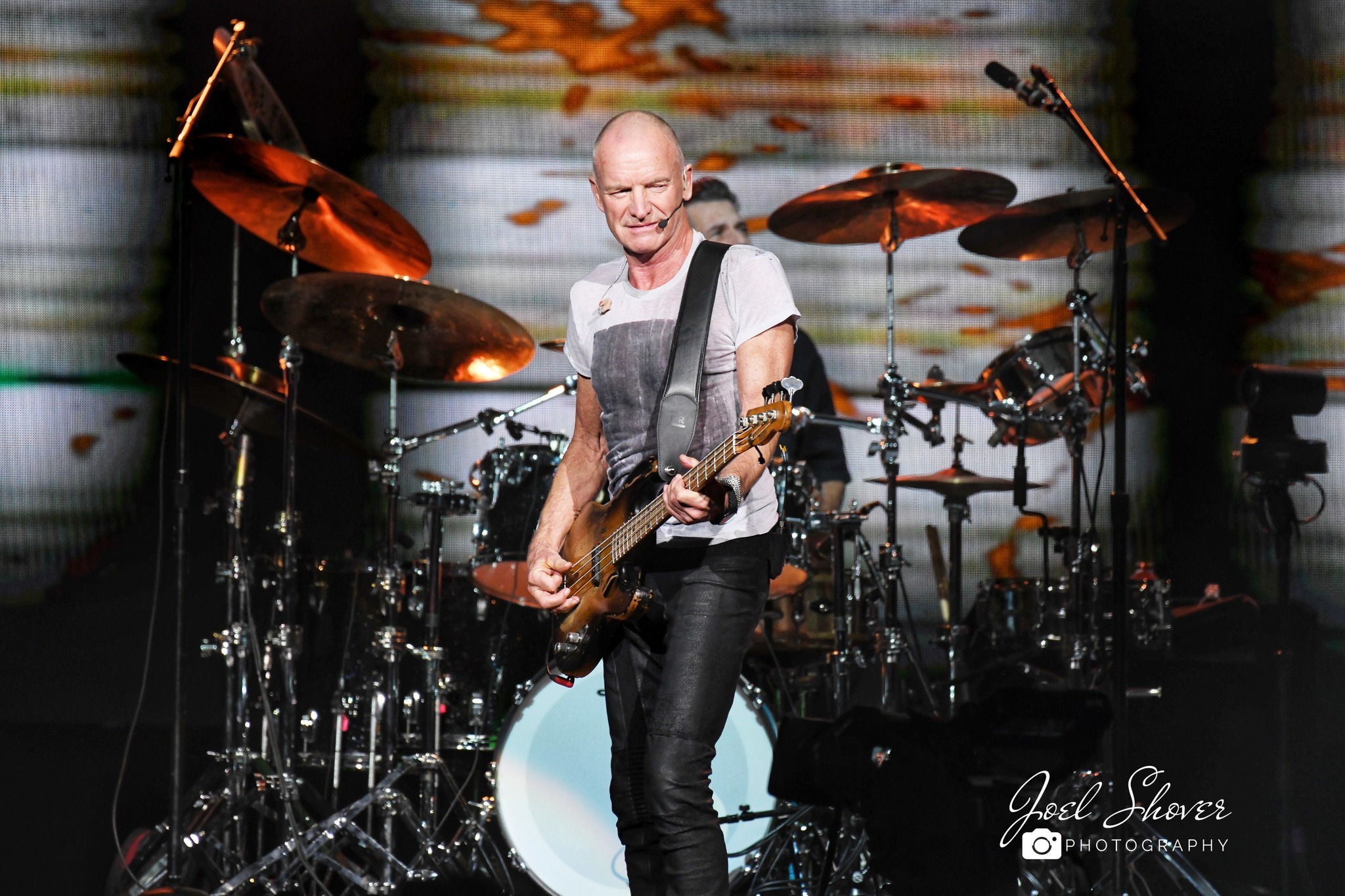
When “Englishman in New York” arrived, the fish-out-of-water story doubled as emotional exile. It wasn’t just about being a foreigner in Manhattan—it felt like being foreign to the life she’d chosen. He sounded like the polite Englishman at the back of the reception, raising a glass to vows that quietly cracked his own heart. Then came “Every Little Thing She Does Is Magic,” and the magic trick turned cruel. Every little thing she did—laughing, moving, existing—only seemed to deepen the spell he was under, even though she clearly wasn’t his. The song bounced like a rom-com montage, but underneath, it pulsed like a panic attack in 4/4: he had been “trying to tell her for years,” and the punchline was that he never would.
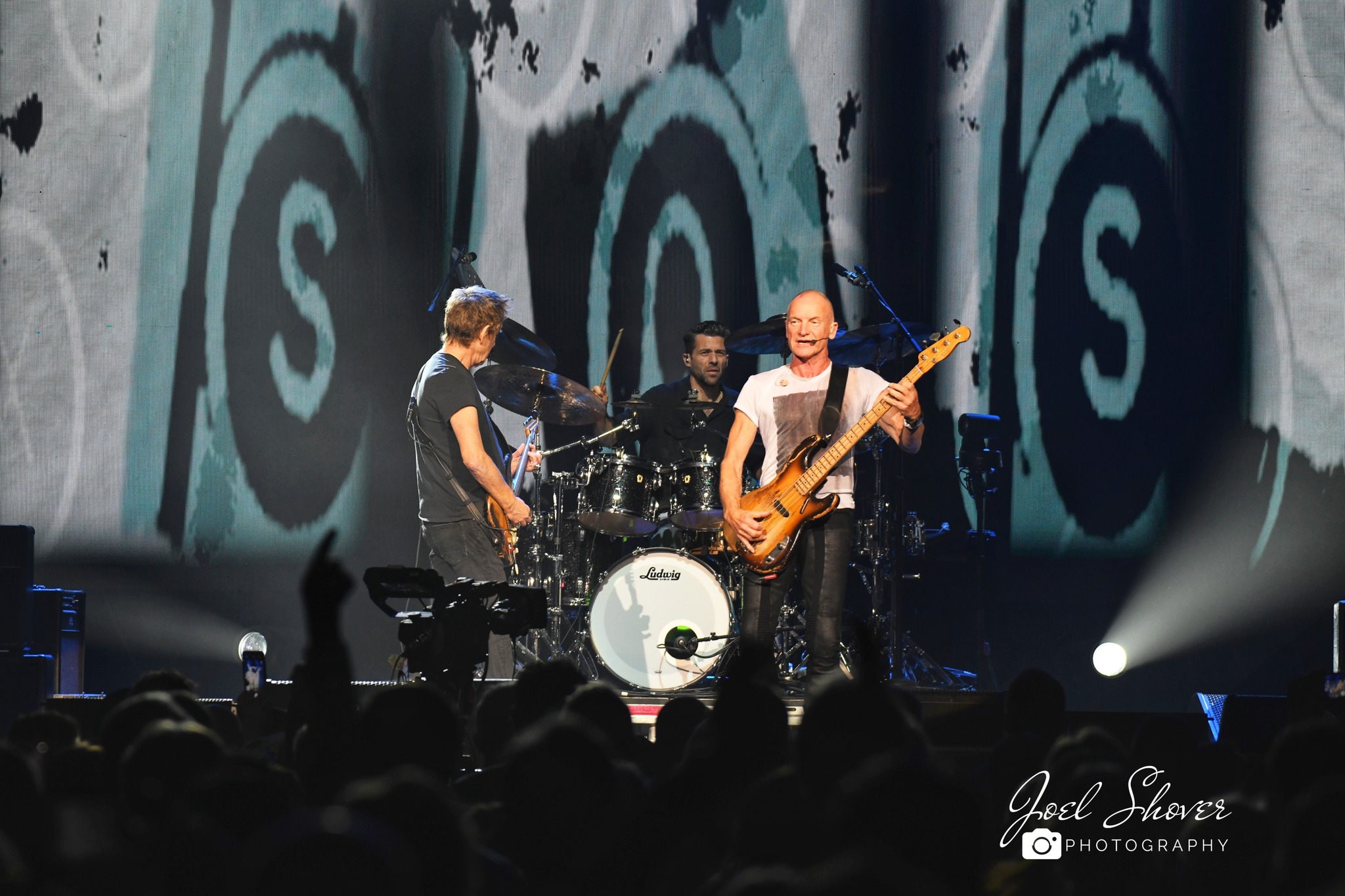
“Fields of Gold” then slowed the night into a golden dream. In the traditional reading, it’s a shared life; in this storyline, it became the alternate universe where he was the one at the altar. Those fields of gold suddenly looked a lot like the color of the wedding band she wore for someone else. The pairing of “Never Coming Home” and “Mad About You” brought fantasy face-to-face with reality. “Never Coming Home” sounded like a man finally accepting what the ring had said from the start: she was never coming home to him. “Mad About You” then dressed that madness in lush poetry, but the performance had a confessional edge—romantic and slightly unhinged at once.
Check out the full gallery of photos of this show by Joel Shover here.
With “Wrapped Around Your Finger,” the power dynamic flipped. Once a song about manipulation and control, here it felt like a man completely wrapped around the ring finger of someone else’s spouse. Dominic Miller’s echoing guitar parts circled endlessly, like he was tracing the same emotional loop that never quite broke. “Driven to Tears” hit like the moment the mask finally slipped. Officially, it’s a song about global injustice; under the Mohegan lights, it also sounded like the quiet injustice of loving someone whose life was already promised away. The trio tore into it with sharp, nervous intensity, turning the “driven” part into something very literal.
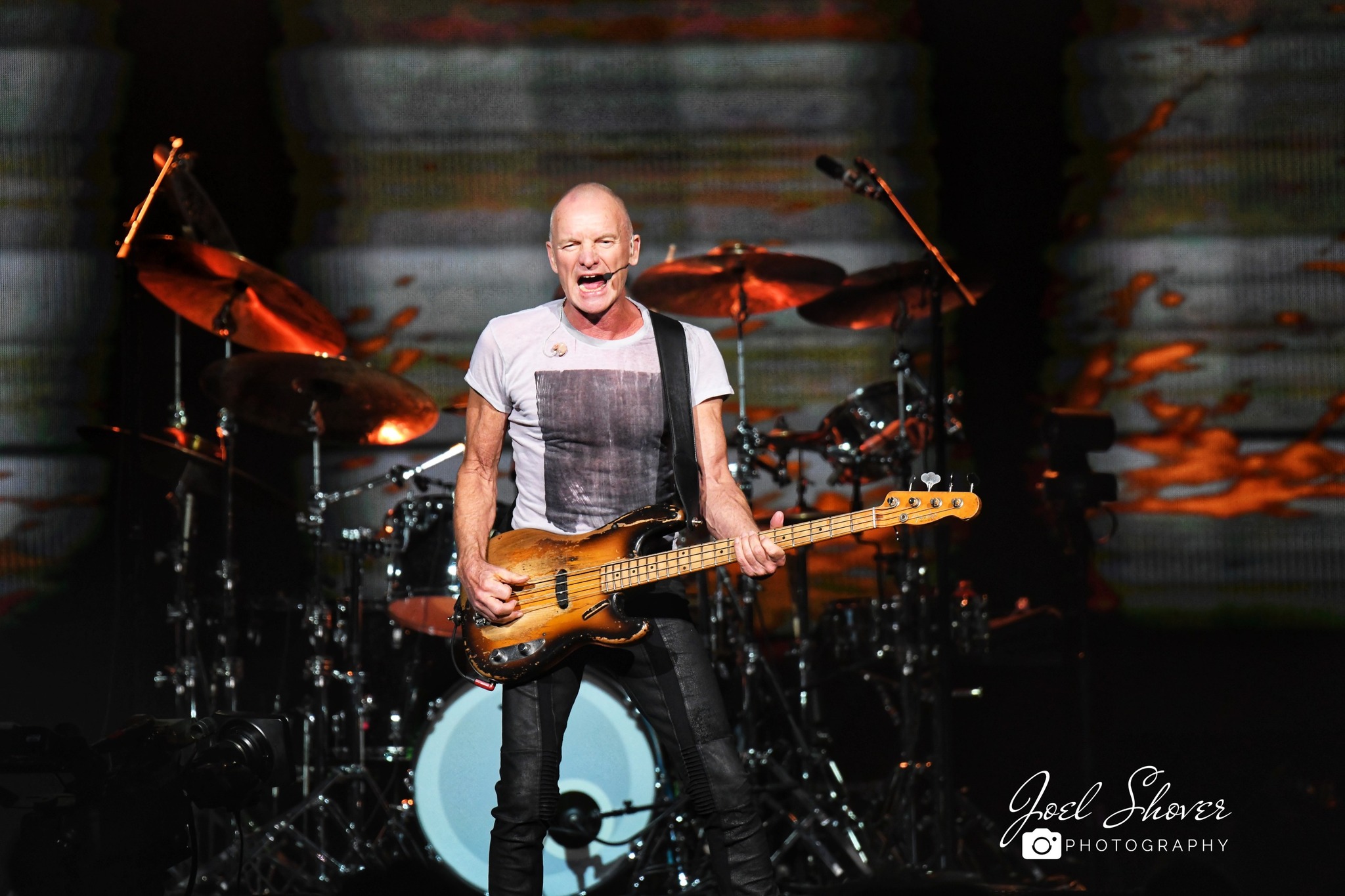
The emotional bullseye arrived with “When We Dance.” It’s already one of the great anthems of loving someone who’s committed elsewhere, and in the stripped-back 3.0 arrangement it felt even more intimate. The whole thing played like a dream sequence where, just for one song, the ring vanished, the vows dissolved, and the world shrank to just two people under a mirrored ball—even if that could only happen in his imagination. Right after, “A Thousand Years” stretched the timeline out. This wasn’t a quick infatuation; it sounded like a sentence he was willingly serving. The trio let the music breathe, and the song became a portrait of a man prepared to carry this feeling across centuries, always just outside the frame of her life, always the soundtrack and never the story.
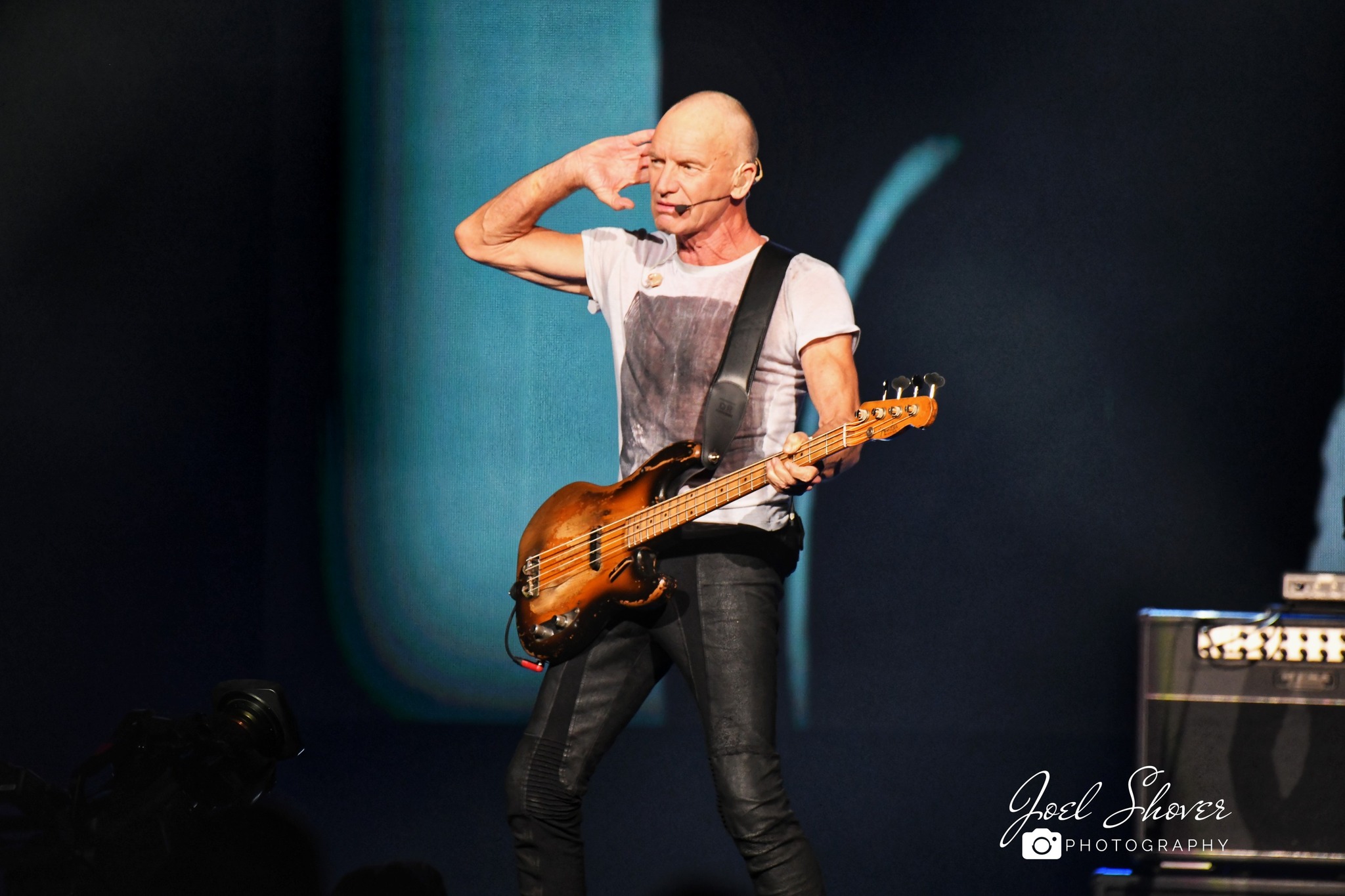
Then “Can’t Stand Losing You” kicked in, cranking the tempo and the tension. In this context, the twist was brutal: he couldn’t stand losing someone he had never fully “had” in the first place. The Police-era energy, filtered through the precision of 3.0, made the whole thing feel like punk rock therapy. “Shape of My Heart” laid out the metaphor in full. He was the gambler who wasn’t in it for the money, only for the patterns and meanings behind the cards. But with her, the deck remained permanently stacked. The shape of his heart by this point in the set wasn’t a perfect Valentine; it sounded like a card that had been bent, reshuffled, and dealt to the wrong player.
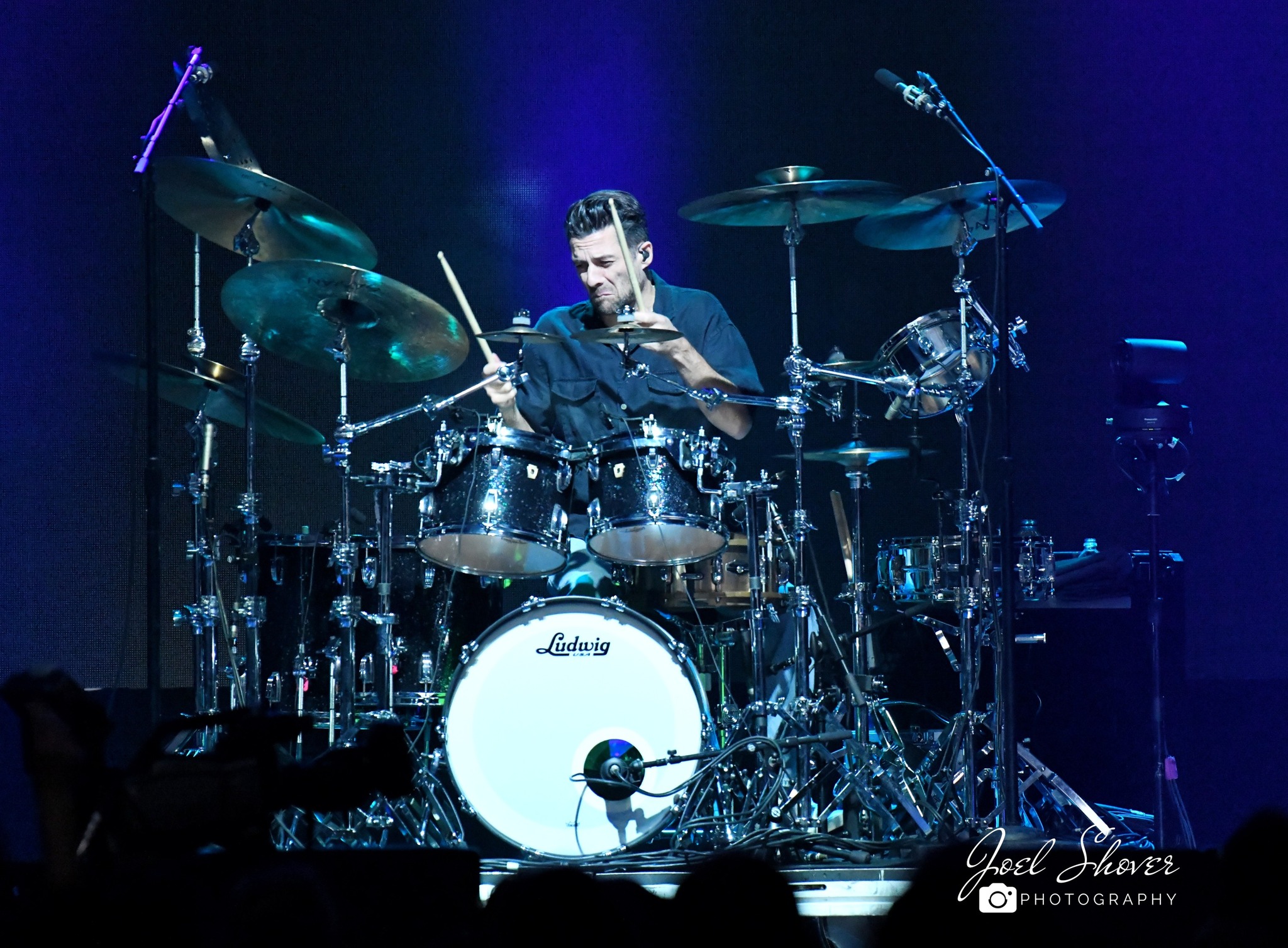
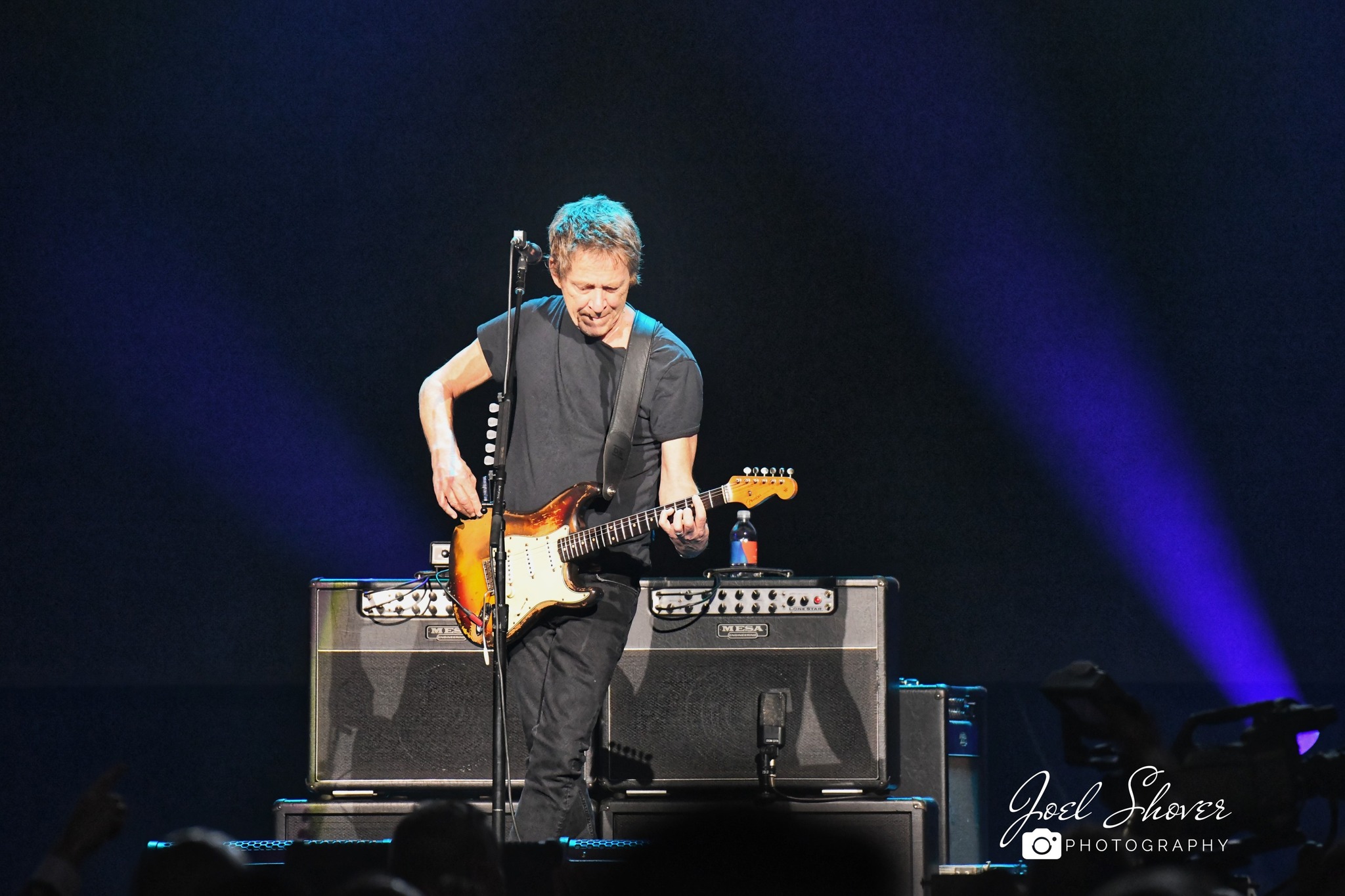
When “Walking on the Moon” floated in, gravity went out the window. Loving someone who wasn’t available came across like walking on the moon: every step exaggerated, every emotion echoing in slow motion, all of it playing out in a place you were never meant to build a home. “So Lonely” then blew that feeling wide open. Hearing thousands of people shout “SO LONELY!” back at him in one of the top arenas in the country turned into the ultimate irony: he was surrounded by bodies, yet the narrative he was singing from was still the loneliest seat in
the house.
“Desert Rose” shifted the night into widescreen cinema. She became the rose blooming in someone else’s desert; he was the mirage. The Arabic-flavored lines curled through the room like the memory of a perfume that lingered long after the woman wearing it had walked away. By the time “King of Pain” crowned the back end of the set, he had fully claimed his title. Image after image stacked up like variations on the same theme: he loved her, and he couldn’t have her. The Mohegan crowd roared along while he wore the crown.
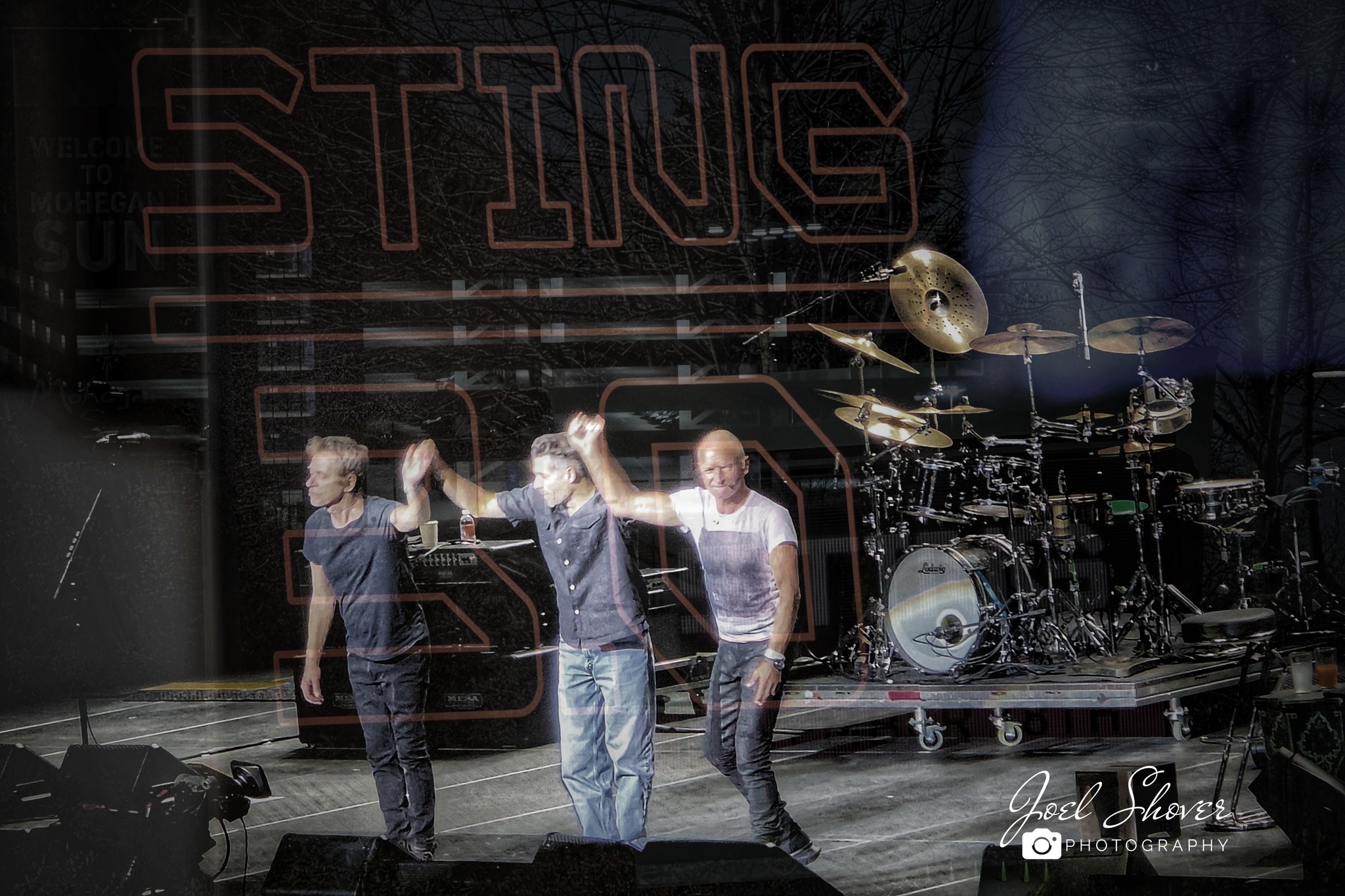
He closed the main set with “Every Breath You Take.” Known forever as the ultimate stalker ballad, it came off more like observational heartbreak here. He wasn’t lurking in bushes; he was living in the wings, watching every breath, every step, every milestone from the side of the stage, the loyal ghost in the background of her story.
For the encore, he came back hard with “Roxanne.” The iconic plea—“you don’t have to put on the red light”—landed like he was begging his own heart not to keep advertising its feelings where they would never be returned. The crowd answered him in full voice, turning the chorus into one last cathartic shout before the lights came up. Finally, “Fragile” floated in and ended the night on a whisper instead of a scream.
After nearly two hours of forbidden longing, it served as the lowercase thesis: love like this—loving someone who could never truly be yours, and burying it in songs instead of saying it aloud—is breathtaking and breakable in equal measure. One wrong move and everything falls apart, so he let the melody say what words never safely could.
Go see live music….
Till the next show… Joel
Check out the full gallery of photos of this show by Joel Shover here.
To submit an article an article or review, or to just say hello hit us at [email protected]
Also- check out the search feature in the upper right hand corner and search for your favorite artist, event, venue or genre. You’ll be surprised at what you find!
Check out the Live Music News and Review.com Facebook page for updates and announcements.