







May 21 -24 2026 by Dan Rozman
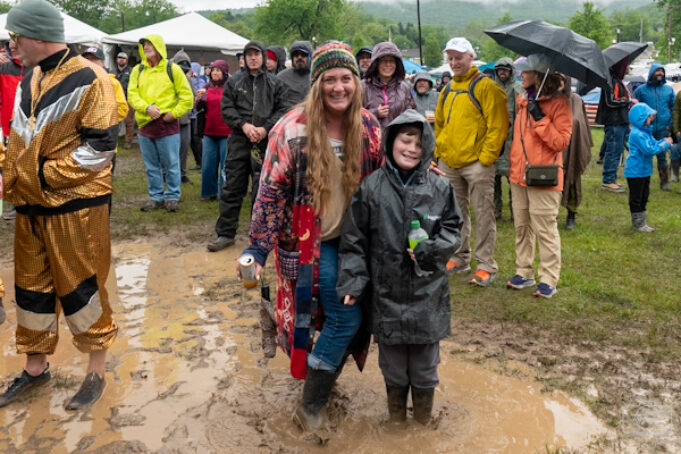
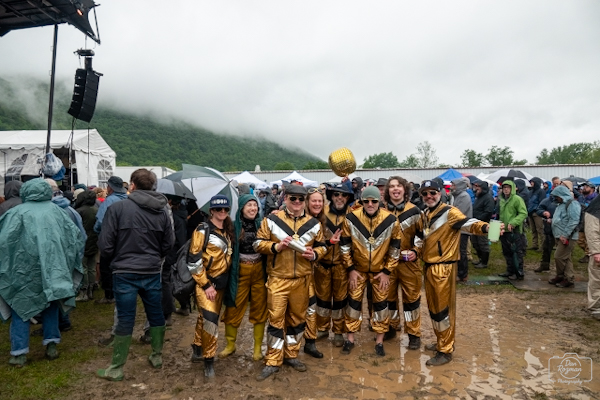
It rained from Thursday morning pretty much straight through Monday. The Allegany County Fairgrounds in Cumberland turned into a legitimate mud situation, the kind where you start making footwear decisions you’d never normally make. Temperatures dropped into the 40s at night. People wore rain gear over their rain gear.
And still. Eighteen years in, DelFest has built up enough goodwill and institutional love that fans just kind of absorb the discomfort and keep going. “DelFest was a soaker, but we had great music and cool people to hang with,” said Scott Perlot, which is about as honest a summary as you’re going to get.
Wednesday night, early arrivals got shuttled into downtown Cumberland for a street concert. Dre Anders led it, with the Gibson Brothers, Kenny and Amanda Smith, Cody Kilby, and the Plate Scrapers entertaining the crowd. A closed-off street, some familiar tunes, a good crowd. It set the right tone.
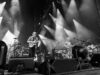
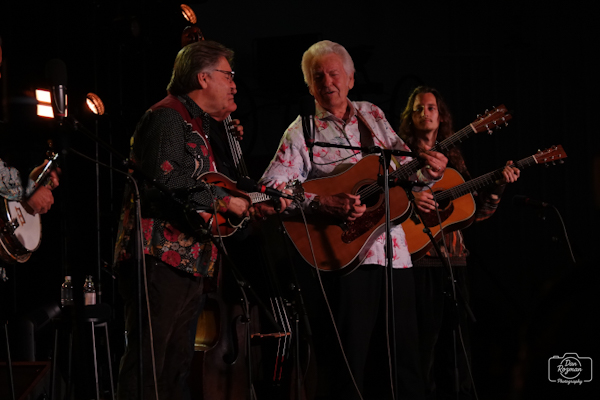
Thursday afternoon, Del and the Boys kicked things off. That’s always how it starts, and there’s something reassuring about it. Del McCoury has been playing bluegrass for more than six decades, and his band, anchored by sons Ronnie on mandolin and Rob on banjo, still plays with a sharpness that doesn’t feel like habit. The Travelin’ McCourys also had fantastic moments throughout the weekend. Three generations of McCourys turned up on various stages across four days, including Del’s grandsons Vassar and Heaven, with Heaven showing up in sets across genres and looking like he was having the best weekend of anyone on the grounds.
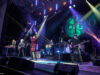
Thursday evening really jammed. The Toy Factory Project, a supergroup built around the music of Marshall Tucker Band co-founder Toy Caldwell, brought out Marcus King, Oteil Burbridge, Charlie Starr, Josh Shilling, Jimmy Rector, and founding MTB drummer Paul T. Riddle. Sam Bush sat in. Then just before midnight, Del, Ronnie, and Rob McCoury walked out. The crowd understood what was happening. That was the set people were still talking about on Sunday.
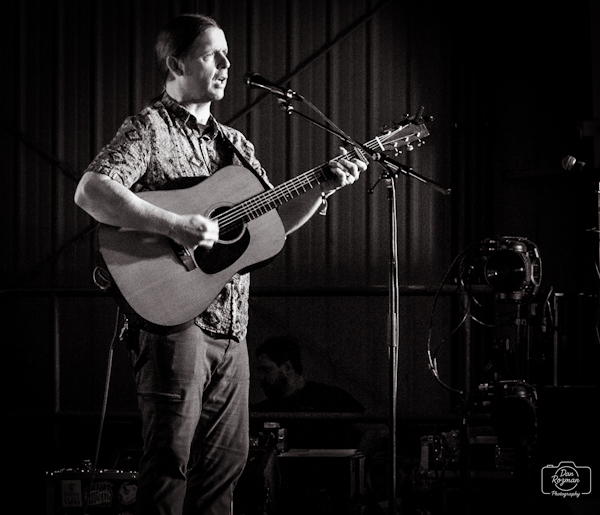
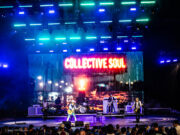
Friday brought the Punch Brothers back for their first DelFest since 2011. Chris Thile built the whole set around a bit about traveling to space to introduce acoustic string instruments to alien civilizations. It sounds like it shouldn’t work. It worked. Blackberry Smoke closed the main stage that night, making their festival debut, and gave everyone something loud and uncomplicated to end on, which after the Punch Brothers’ whole thing, was probably a good call.
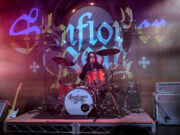
Gaelic Storm played into the early hours Friday morning and turned what was already a long evening into an Irish dance party. The band has been at this for decades and they know exactly how to push a late-night festival crowd somewhere it didn’t expect to go.
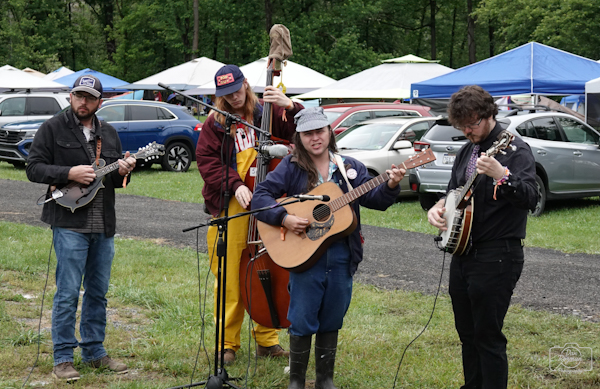
Jody Mosser has played DelFest nine times, sitting in with several different bands. He’s a regular member of the Plate Scrapers, a local band who picked up a lot of new fans after their Saturday set. He has a theory about why the festival keeps pulling people back. “DelFest is the ultimate collaborative festival,” he said. “From sit-ins from folks like Ronnie McCoury, Sierra Hull, Joe Craven, Pappy, and Cris Jacobs over the years on stage to late-night campground jams, DelFest is a picker’s paradise.” That held true again this year. You never fully knew who was going to walk out and join the band onstage.
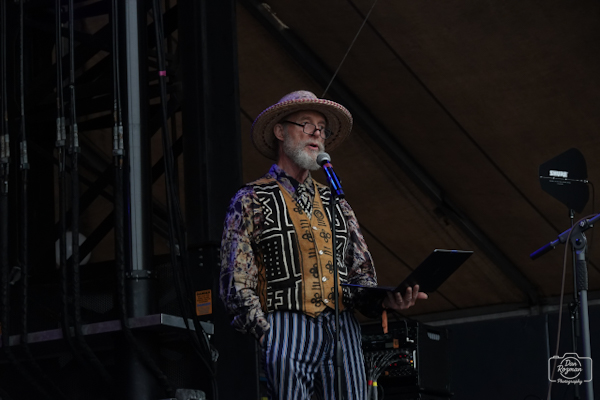
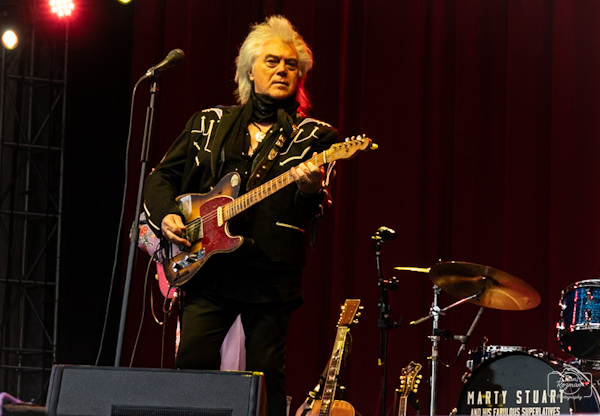
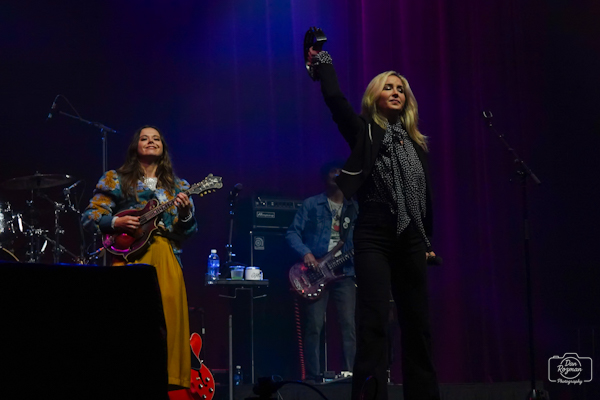
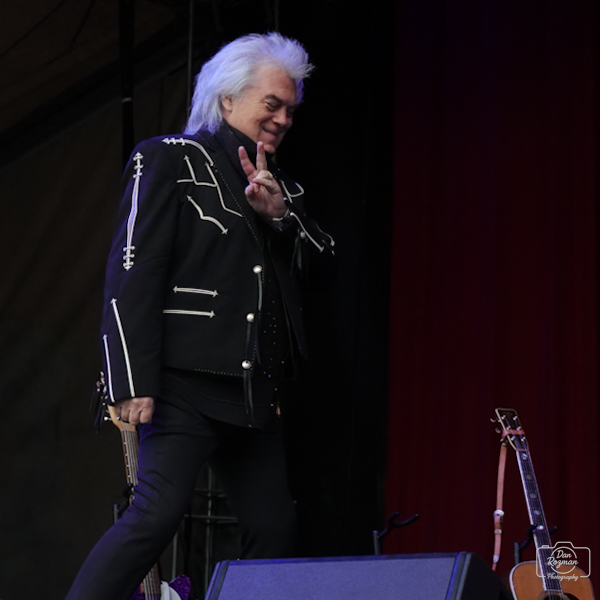
Sierra Hull played twice, and her Sunday Potomac Stage set drew a big crowd considering the state of the ground by that point. She plays a Gibson F-5 Master Model mandolin and what she does with it is a different thing than what most people are doing with the same instrument. Maggie Rose had a strong main stage moment on Saturday, closing with Hull joining her for a version of “Sugaree” that got people moving in the mud. Marty Stuart and his Fabulous Superlatives did two sets, including a late-night psychedelic cosmic jam that went well past any reasonable hour. Stuart is a Country Music Hall of Famer who moves between rockabilly, bluegrass, honky-tonk, and surf music without breaking stride, and the late-night set was strange and loose in the best way. Peter Rowan guested during the weekend and that pairing made a lot of sense to anyone who knows the history.
The Infamous Stringdusters made their ninth DelFest appearance and played two sets, including a late-night Music Hall run that went until 3:30 in the morning. Ronnie McCoury walked out during “Looking For Something Good” and the room shifted. Dressed in their tie dye suits, two of the Stringdusters also performed separately as Falco and Book Play Garcia, a duo project the pair started years ago warming up backstage at Stringdusters shows. “At some point we just thought it would be fun to do it in public,” Falco explained. The set drew from Garcia’s solo catalog, the Grateful Dead songbook, and the traditional material Garcia loved, and the stripped-down format did something interesting to songs that most people have only heard with a full band around them. “We typically hear these songs in larger ensembles,” Book said, “but the songs done with just bass and guitar somehow make the music very interactive with the audience.” For Garcia fans in the crowd, it was one of the weekend’s more intimate moments.
Shadowgrass followed the Stringdusters for their own late-night debut and exceeded the already high expectations, built around the guitar work of Kyser George, who plays with a fluency that gets compared to Billy Strings often enough that the comparison has stopped feeling like hyperbole.
Jason Carter spent 33 years as the fiddle player for the Del McCoury Band before setting out on his own in 2025. One of his first calls was to Michael Cleveland, and their 2025 Grammy-nominated debut album Carter and Cleveland has become one of the more talked-about things in bluegrass. Their Sunday Potomac Stage set was one of the festival’s quieter highlights, the crowd actually quiet, watching them play together with an interplay that doesn’t come from rehearsal. Cleveland plays with an intensity that is hard to look away from. Carter is looser, more conversational. Together they’re something different than either one is alone.
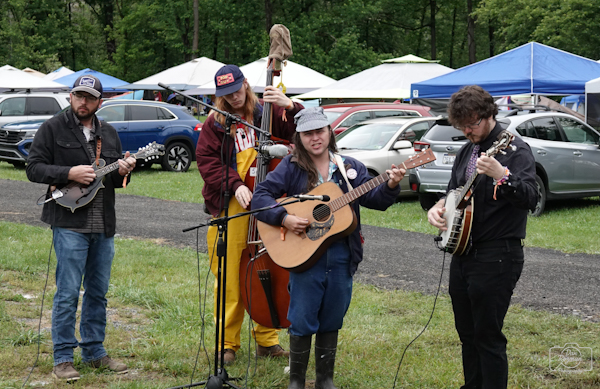
The Po’ Ramblin’ Boys packed the indoor Music Hall playing traditional bluegrass in the style of the Stanley Brothers and Bill Monroe. Their version of Jerry Reed’s “East Bound and Down” got a big response from a crowd that had come inside to get dry and suddenly didn’t want to be anywhere else. Magoo drew a surprisingly large crowd for their Friday Potomac Stage set given that Sierra Ferrell was playing simultaneously on the main stage. The Colorado quartet plays progressive bluegrass with an extended jam sensibility, and their dobro player Dylan Flynn is fast and clean in a way that gets attention.
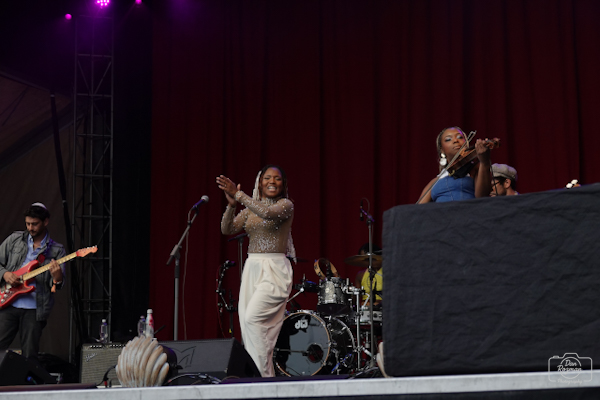
Southern Avenue brought something to DelFest that the festival doesn’t always have, straight Memphis blues and soul with gospel underneath it. The Blues Music Award-winning, Grammy-nominated band is built around lead vocalist Tierinii Jackson, her husband and guitarist Ori Naftaly, and her sisters Tikyra and Ava Jackson on drums and violin. It’s a family band in the literal sense, and the music has the kind of internal chemistry that comes from people who actually know each other. Their set pulled from their album Family and the energy was non-stop from the first note, the kind of infectious thing that spreads through a crowd before people realize it’s happening. Memphis music hits hard when it’s being played by people who grew up inside it, and this band made that case convincingly.
Peter Rowan played with the Sam Grisman Project, a pairing that felt like it meant something beyond the songs. Rowan is a former Blue Grass Boys member with a direct line back to Monroe. Sam Grisman carries his father David’s legacy in his playing. They did “Walls of Time” and “Panama Red” and the crowd sang along to both. Sister Sadie was back for their third appearance and their cover of “Touch of Grey” landed exactly right with a crowd that knows its Dead.
The Wednesday beer share, coordinated by Picketts Brewing and Union Craft, drew around 50 people before the festival got going. The McClintock Bloody Mary bar was back, proceeds going to the DelFest Foundation. These are the things regulars build their weekend around as much as the music.
One of the biggest surprises of the festival came Sunday during Mountain Grass Unit’s main stage set. The young band was already generating buzz all weekend, and then Del walked out after their performance and invited them to play the Grand Ole Opry. The place got quiet for a second before it didn’t. It was one of those things that felt real in a way that a lot of festival moments don’t.
Alison Krauss and Union Station featuring Jerry Douglas closed Sunday night. She wore a coat against the cold and played like the weather was beautiful. People who stayed for the full set, rain and all, got exactly what they came for.
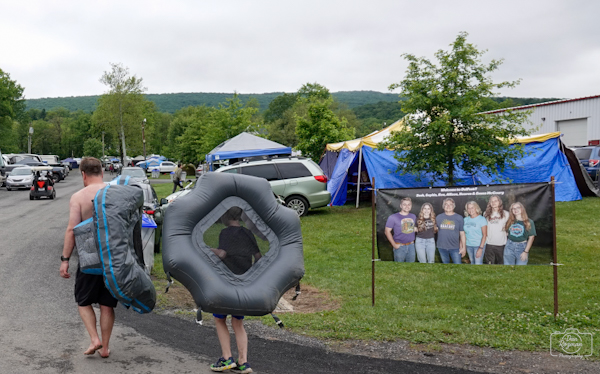
By Monday people were breaking down wet campsites and already having the conversation about next year. Del was on those grounds all weekend, visible and always flashing his trademark smile. The whole family gives themselves to this festival in a way that shows. Eighteen years in and it still looks like something they love to do. For most of the people who were there, wet boots and all, that’s exactly what it felt like too.
To submit an article an article or review, or to just say hello hit us at [email protected]
Also- check out the search feature in the upper right hand corner and search for your favorite artist, event, venue or genre. You’ll be surprised at what you find!
Check out the Live Music News and Review.com Facebook page for updates and announcements.